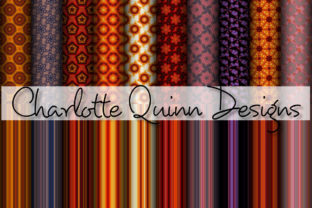
Digital Papers 316: A Versatile Resource for Digital Creators
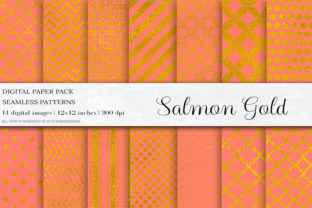
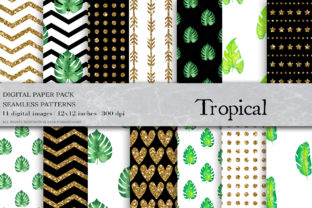
For digital creators, educators, and entrepreneurs, finding high-quality design elements can be a game-changer. Digital Papers 316 offers a collection of 12x12 digital paper files at 3600x3600 pixels and 300DPI, making them ideal for both digital and printable projects. These patterns are not just visually appealing—they're designed to enhance your creative workflow and elevate your final output. Whether you're crafting teacher resources, digital games, or custom t-shirt designs, these papers provide the flexibility and quality needed to bring your ideas to life.
Why Digital Papers 316 Matters for Your Projects
Digital Papers 316 is more than just a set of images—it's a toolkit that supports a wide range of applications. From digital planners and worksheets to business cards and phone cases, these papers can be adapted to suit almost any need. Their high resolution ensures crisp, clean prints, while their versatile design allows for seamless integration into various layouts and formats. This makes them a valuable asset for anyone looking to streamline their design process without compromising on quality.
However, many users overlook the importance of understanding how these files work and what they can truly offer. Without proper knowledge, even the best digital assets may fail to deliver the desired results.
Common Mistakes When Using Digital Papers 316
One of the most frequent errors is assuming that all digital papers are interchangeable. While Digital Papers 316 is high-quality, it's essential to consider the specific requirements of your project. For example, using a pattern meant for digital planners on a t-shirt design might lead to issues with scalability or color accuracy. Always evaluate the purpose of your project before selecting a paper.
Another common mistake is not checking the file format and resolution. Digital Papers 316 comes in a standard PNG or JPEG format, but some users may attempt to use them in incompatible software or print them without adjusting settings. This can result in blurry images, unexpected colors, or formatting issues that undermine the overall quality of your work.
How These Mistakes Can Impact Your Work
Using the wrong paper for a project can lead to inefficiencies, wasted time, and subpar results. For instance, if you're creating a printable worksheet for students, a low-resolution paper could make text difficult to read, reducing its effectiveness. Similarly, applying a pattern to a website background without considering how it scales across different screen sizes might create an unprofessional appearance.
These issues aren't just about aesthetics—they affect usability, communication, and user satisfaction. A poorly designed product, no matter how creative, may fail to meet its intended purpose or resonate with its audience.
Practical Tips to Avoid Common Pitfalls
To get the most out of Digital Papers 316, start by understanding your project's needs. Ask yourself: What will this paper be used for? Will it be printed or displayed digitally? What size and resolution are required? Answering these questions can help you choose the right paper and avoid unnecessary complications.
Before downloading or purchasing, check the licensing terms. Some digital papers come with restrictions on commercial use, which could limit your ability to sell products or share your work. Make sure you're clear on what you're allowed to do with the files.
Testing is also crucial. Before finalizing a design, preview the paper in different contexts. Try it on a mock-up of a business card, a digital planner page, or a phone case template. This helps identify any issues early and ensures the final product meets your expectations.
Realistic Examples of Better Choices
Imagine you're designing a set of digital worksheets for a classroom. Instead of choosing a generic pattern, opt for one that complements the educational theme—perhaps a subtle grid or lined design. This enhances readability and keeps the focus on the content rather than the background.
Or consider a scenario where you're creating a custom t-shirt design. Rather than using a complex pattern that may lose detail when printed, select a simpler design that translates well to fabric. This ensures the final product looks sharp and professional.
What to Check Before Making a Decision
Before committing to Digital Papers 316, verify that the files meet your technical requirements. Ensure that the resolution (300DPI) is suitable for your intended use, and confirm that the file format is compatible with your design software. If you're unsure, reach out to the seller or designer for clarification.
Additionally, review the sample previews provided. These can give you a better idea of how the paper will look in different applications. Don't hesitate to request additional samples or examples if needed.
Conclusion: Make Informed Choices for Better Results
Digital Papers 316 is a powerful resource for creatives, but its success depends on how well you understand and apply it. By avoiding common mistakes, doing your research, and testing your designs, you can unlock the full potential of these digital assets. Whether you're a beginner or an experienced designer, taking the time to make informed choices will lead to more satisfying and effective outcomes.